Juneteenth may be the newest federal holiday, but its roots stretch deep into American history, marking a moment of delayed freedom that still resonates today.
Celebrated every June 19, Juneteenth commemorates the day in 1865 when enslaved Black Americans in Galveston, Texas, finally learned they were free, more than two years after the Emancipation Proclamation had legally ended slavery. Union troops had just arrived to enforce the law, and with that announcement, freedom became real for more than 250,000 people still held in bondage in Texas.
Since then, Juneteenth has grown into a celebration of Black freedom, resilience, and culture. But while it’s often associated with Texas, the story—and the spirit—of Juneteenth runs right through Ohio.
Freedom Deferred
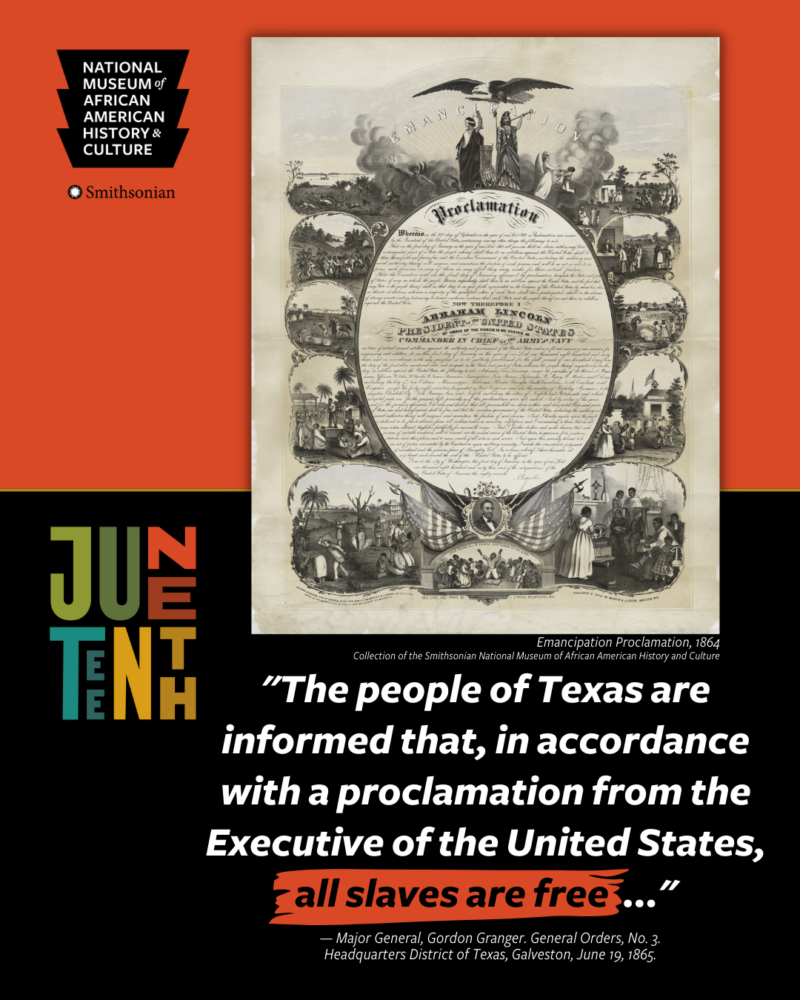
President Lincoln issued the Emancipation Proclamation on January 1, 1863, declaring freedom for enslaved people in Confederate states. But without the presence of Union troops to enforce it, the proclamation had limited reach. Texas, remote and largely untouched by major battles, became a final stronghold of slavery.
It wasn’t until June 19, 1865, when Union Major General Gordon Granger arrived in Galveston with federal troops, that the last enslaved people were formally freed. That day, called Juneteenth, became a turning point. First celebrated by newly freed communities in Texas, the tradition eventually spread across the country.
Ohio’s Role in the Journey to Freedom
While Juneteenth happened hundreds of miles away, Ohio has long played a pivotal role in the fight for freedom.
Ohio was a major stop along the Underground Railroad, the secret network of routes and safe houses used to help enslaved people escape north. Central Ohio’s free Black communities, including in Franklinton and on the near east side, were essential to that movement.
The Kelton House Museum & Garden, now nestled in downtown Columbus, was once home to fervent abolitionists. The Kelton family sheltered fugitive slaves, and their story is preserved today as part of the region’s history of resistance.
The Ohio Anti-Slavery Society was founded in 1835 and made its headquarters in the state, with activists and formerly enslaved people leading the charge for emancipation long before it became law.
And in more recent decades, Columbus has become home to powerful Juneteenth celebrations—such as the long-running events hosted by the King Arts Complex, JuneteenthOhio Festival, and newer neighborhood celebrations that highlight local Black businesses, performers, and voices.
🎉 Ways to Celebrate Juneteenth in Columbus

Thursday, June 18
The annual kickoff to Juneteenth celebrations includes speeches, music and the raising of the Juneteenth flag on the Statehouse lawn.
Friday, June 19
- Juneteenth Jubilee Day Festival | Ohio History Center | Noon-4 p.m.
- The Butler with Wil Haygood | Ohio Theatre | 7:30 p.m.
- Joey’s Place Juneteenth Celebration | 4 p.m.-2:30 a.m.
- FreedomWorks Fireworks | Columbus State | 8:45 p.m.
Spoken word, historical reenactments, food demonstrations, crafts, live music and more.
Columbus native Wil Haygood will introduce a free screening of The Butler, the film inspired by his book.
Live music, comedy, free appetizers for the first 100 guests and a community celebration.
An annual fireworks display celebrating freedom and resilience.
Friday & Saturday
- 29th Annual Juneteenth Ohio Festival | Genoa Park | 12 p.m. to 11 p.m.
Two days of music, food, vendors, children’s activities and cultural programming.
Saturday, June 20
- Juneteenth on the Ave | Historic Mt. Vernon Avenue | 12 p.m. to 6 p.m.
- King Arts Complex Juneteenth Commemoration | 12 p.m. to 6 p.m.
Food trucks, vendors, performances, art and family activities in Bronzeville.
A full afternoon of performances and community programming.
From Galveston to Columbus, Juneteenth reminds us that freedom isn’t just declared; it has to be demanded. And when it finally arrives, it’s something worth celebrating.