

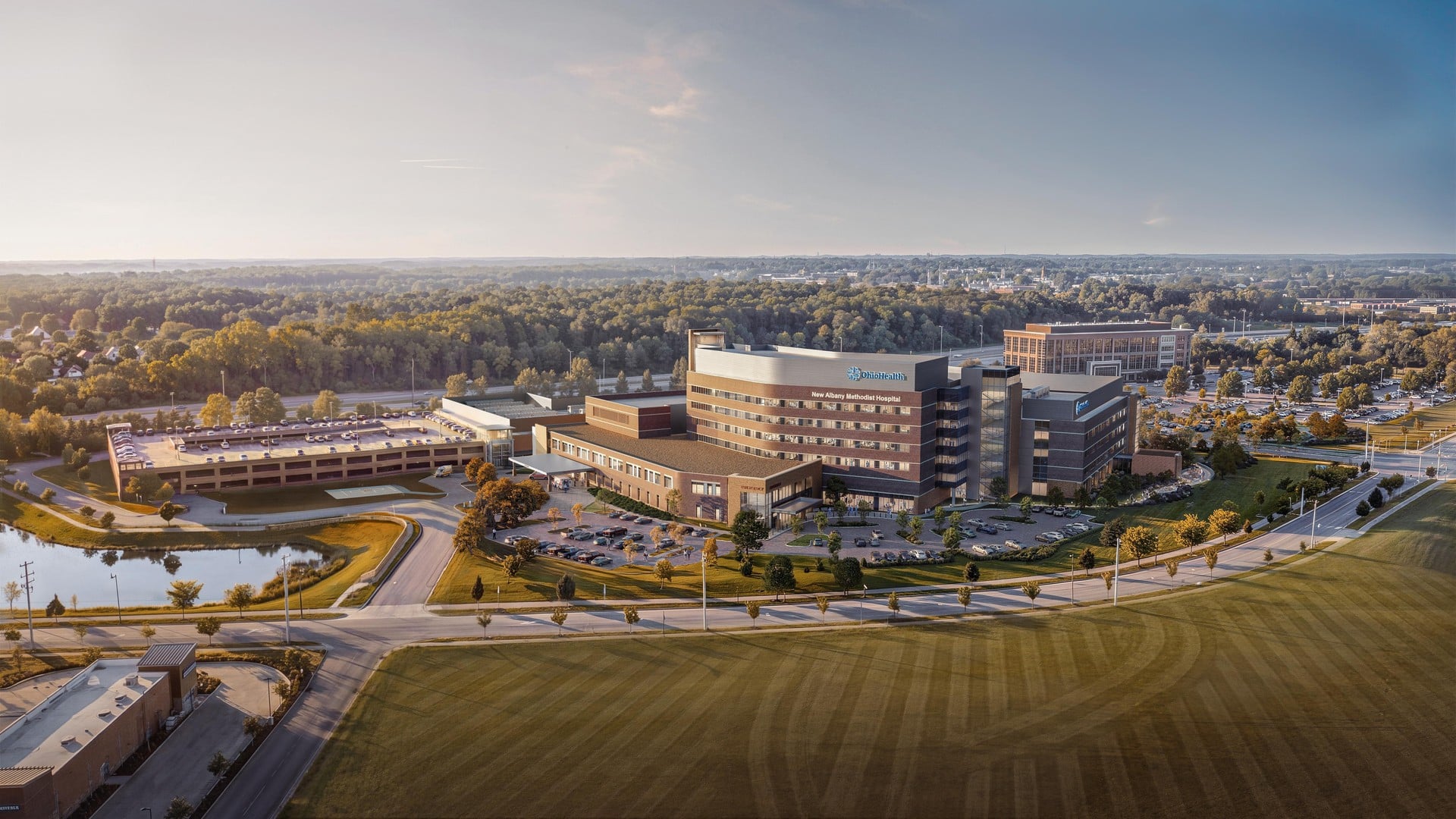
OhioHealth is set to build a new hospital at the old Big Lots headquarters. The health system announced New Albany Methodist Hospital on Wednesday and put the cost of construction at nearly $700 million.
The site is just south of Route 161 near Hamilton Road. Construction starts in early 2027, and OhioHealth expects the hospital to open in late 2030 with 160 inpatient beds.
What The Hospital Will Have
OhioHealth says the services will include advanced cardiac, neuroscience, stroke and trauma care, and that more than 140 physicians and advanced practice providers will work from the campus.
It describes the care as on par with Riverside Methodist and Grant Medical Center, and says the full list of services is still being worked out. Both of those hospitals are in the latest U.S. News rankings of Columbus hospitals.
The hospital will be 600,000 square feet. OhioHealth says it’ll rework 325,000 square feet of existing space and build the other 275,000 new. The plans leave room to grow to 208 beds.
Who It’s Meant To Serve
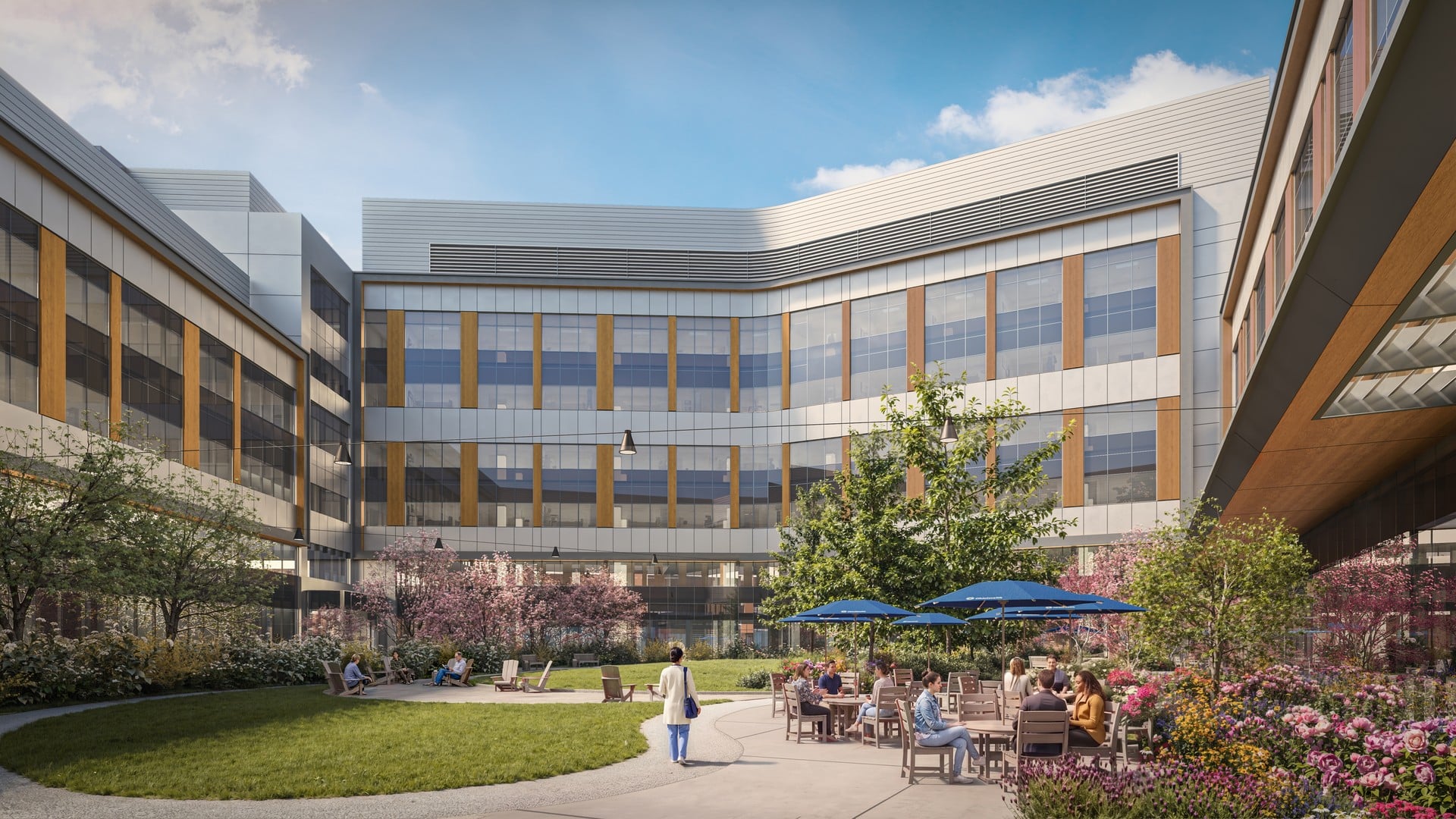
OhioHealth estimates that 340,000 people live within a 15-minute drive of the site, and it expects the area to keep growing over the next few years.
“New Albany Methodist is a significant investment in the future of this region and in making care more accessible to the families we serve in northeast Columbus and communities north and east of New Albany,” OhioHealth president and CEO Steve Markovich said in the announcement.
Brian Jepson, who runs OhioHealth’s Central Market, said the plan covers more than the people who live there now. “That means building a hospital with room to grow alongside the community,” he said.
About 1,700 Jobs
About 1,700 people will work at the campus once it’s fully running, in clinical, support and administrative jobs. OhioHealth puts their annual wages and benefits at $220 million or more.
The construction work will take 1,500 to 2,000 workers over the course of the project, with more than 250 on site at the busiest point. OhioHealth says construction should finish in the second half of 2030.
