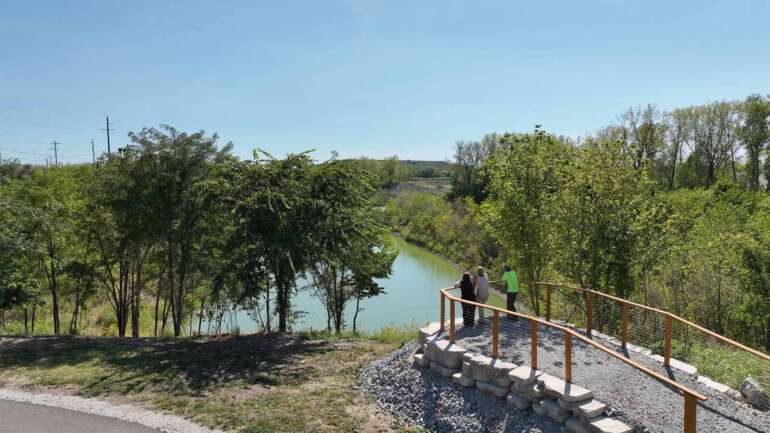
A conservation organization based in southern Ohio is facing one of the biggest opportunities in its 30-year history—and one of its most urgent challenges.
The Arc of Appalachia, a nonprofit land conservancy headquartered in Bainbridge, Ohio, is rallying supporters ahead of a June 30 public auction that could determine the future of 2,770 acres of wilderness bordering New River Gorge National Park in West Virginia.
Known collectively as the New River Wilderness, the property will be sold in eight separate tracts at auction in Beckley, West Virginia. Arc of Appalachia hopes to acquire as many of those parcels as possible, but first, it needs to raise enough pledged support to compete when bidding begins.
“This is a conservation emergency,” the organization said in announcing the campaign.
While the land sits across state lines, the effort is deeply connected to Ohio. For three decades, Arc of Appalachia has worked to protect some of the most ecologically significant landscapes in Appalachian Ohio, managing 38 nature preserves, nearly 100 miles of hiking trails, and more than 15,000 acres of protected land. In recent years, the organization has expanded its conservation work into neighboring West Virginia, recognizing that wildlife, watersheds, and ecosystems don’t stop at state boundaries.
The New River Wilderness is a prime example.
The property lies adjacent to New River Gorge National Park, America’s newest national park, which was established in 2020. Together, the eight tracts would help connect several existing conservation areas, including the 72,800-acre national park, the West Virginia Land Trust’s Piney Creek Preserve, and Scouting America’s 14,000-acre Summit Bechtel Reserve.
According to Arc of Appalachia, protecting the land would help preserve a region widely recognized as one of the most biologically diverse forest ecosystems in the eastern United States.
More than 1,300 plant species, 65 mammal species, and 48 amphibian species have been documented throughout the broader New River Gorge region. The area also supports populations of black bears, timber rattlesnakes, rare salamanders, bats, native fireflies, and numerous uncommon plant species.
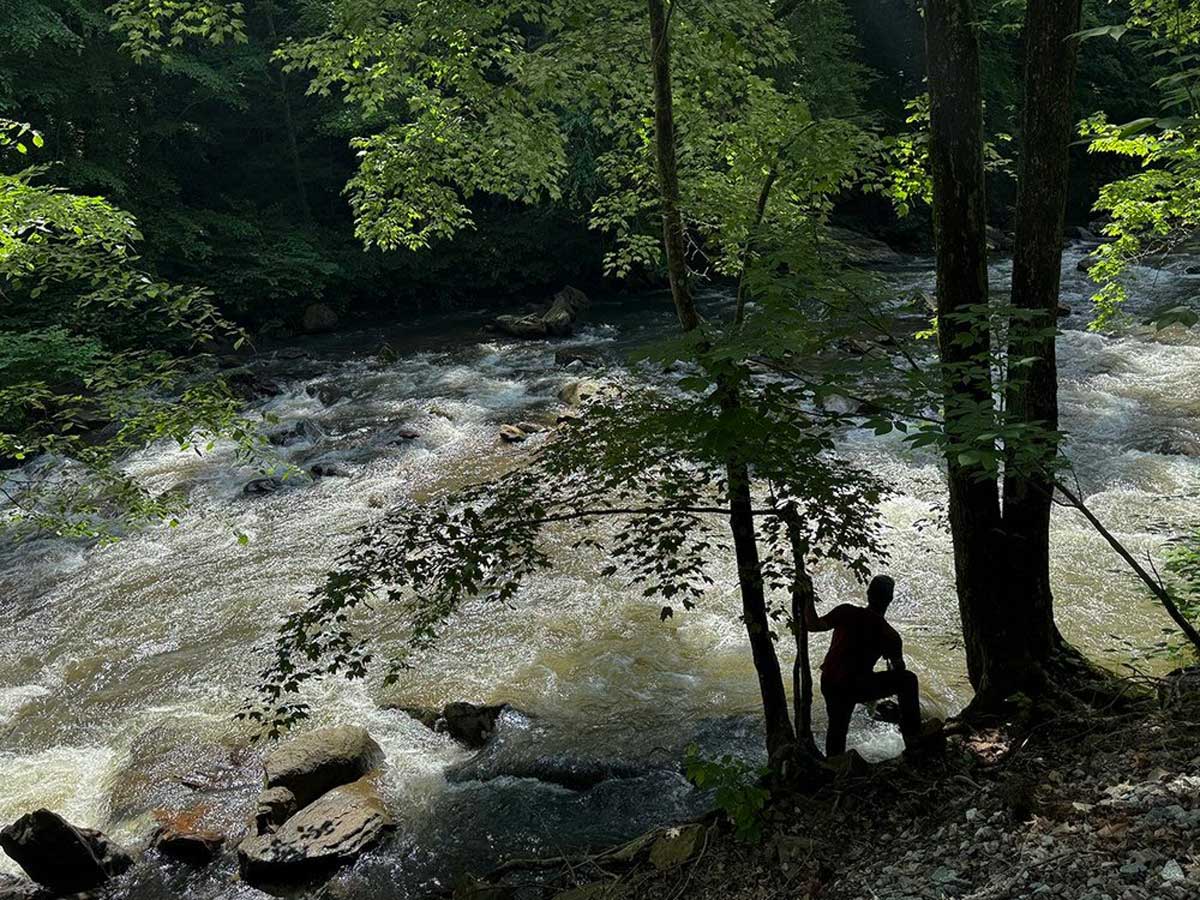
One of the most exciting possibilities involves Piney Creek Gorge, a dramatic canyon carved by a whitewater trout stream that eventually joins the New River.
Two of the auction parcels could help complete a long-envisioned trail connection between the city of Beckley and New River Gorge National Park. The West Virginia Land Trust already owns and is developing portions of the route. If Arc acquires the remaining key parcels, outdoor enthusiasts could one day enjoy a roughly 12-mile hiking and mountain biking corridor linking the city directly to the national park.
For local trail advocates, it’s a project that’s been years in the making.
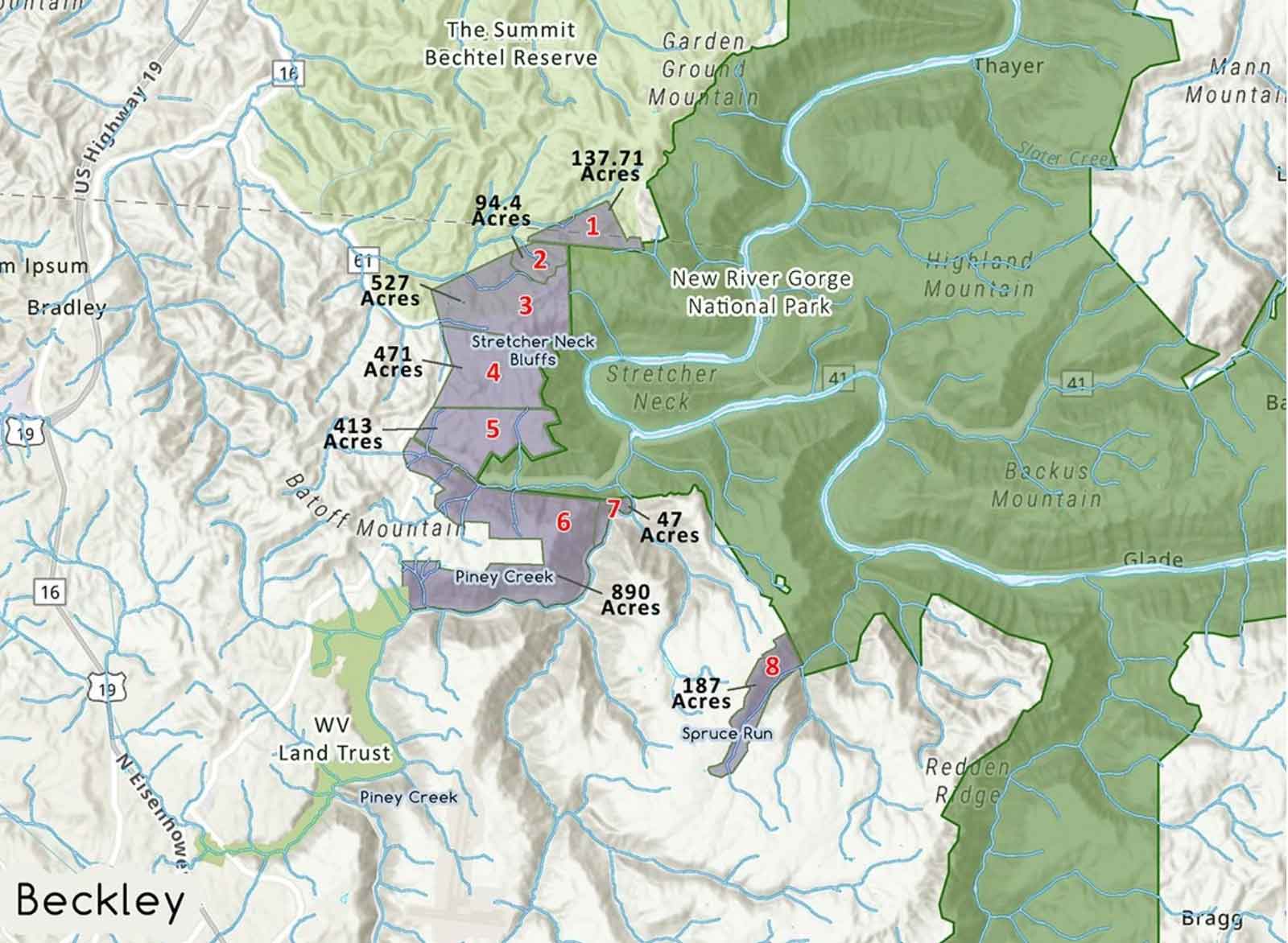
The parcels vary dramatically in character.
The Stretcher Neck Bluffs tracts feature extensive forests, wetlands, mountain laurel thickets, and elevated overlooks with sweeping views of the New River below. Conservation partners consider these parcels especially vulnerable to future development because of their gentler terrain.
Another section, known as Spruce Run, contains a remote mountain stream lined with hemlocks, rhododendrons, and striking rock formations. Arc officials believe it may be among the most biologically significant areas included in the auction.
Although the forests were selectively logged in previous decades, conservationists say they remain healthy and continue to recover. The organization hopes to allow the woodlands to mature naturally over time, creating the kind of older forest habitat that has become increasingly rare throughout Appalachia.
So why doesn’t the National Park buy it?
It’s a question many people ask.
According to Arc of Appalachia, the National Park Service cannot simply purchase the property because the land falls outside the federally authorized boundary of New River Gorge National Park. Expanding those boundaries would require congressional action.
That leaves conservation organizations and private supporters as some of the few groups positioned to protect the land before it is sold.
As of June 8, Arc of Appalachia reported that it had reached 38% of its fundraising goal with support from 199 pledge donors.
The organization is asking supporters to make pledges ahead of the June 30 auction, with donations only being called in if the organization successfully secures parcels.
The stakes are high. Once the auction begins, there is no guarantee the land will remain intact or protected.
For Arc of Appalachia, the New River Wilderness represents more than another preserve. It’s a chance to protect critical wildlife habitat, expand recreational access, support future scientific research, and preserve a landscape that connects some of the most important conservation lands in central Appalachia.
And for an Ohio organization that has spent three decades protecting Appalachian ecosystems, it’s a mission that extends naturally beyond the state line.
To learn more about the campaign or make a pledge, visit Arc of Appalachia’s website.