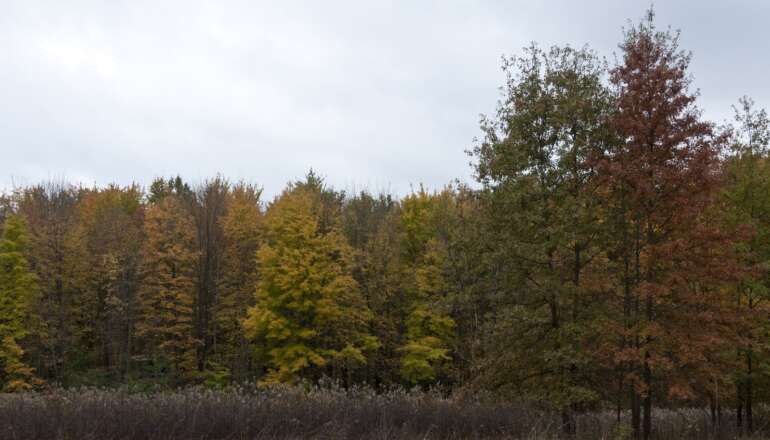
Fall is here and Ohio’s forests, fields, and riverbanks are coming alive with delicious wild fruits just waiting to be discovered. Foraging is a fun outdoor activity, and it’s also a fantastic way to connect with nature and enjoy some seasonal flavors that you won’t find in the grocery store.
If you’re after pawpaws, elderberries, or the elusive wild grape, Ohio has plenty to offer. Here’s a guide to some of the best fruits to forage this fall and how you can find them. This one sticks to fruit. Morel mushrooms are a spring hunt with a much shorter window, and they’re covered on their own.
| Fruit | When it ripens | Where to look | Watch out for |
| Pawpaw | September, a three to five week window | Riverbanks, floodplains, shady ravines | Skin and seeds aren’t for eating |
| American persimmon | Late October, once soft and wrinkled | Southern and southeastern Ohio, stream bottoms to old fields | Unripe fruit is harshly astringent |
| Elderberry | Late summer into early fall | Wet ground: riverbanks, meadows, roadside ditches | Leaves, stems, roots and unripe berries are toxic; cook the ripe ones |
| Blackberry | July and August | Woodland edges and fencerows | Red berries aren’t ripe yet |
| Black huckleberry | Midsummer into early fall | Dry, rocky, acidic ground | Looks like a small, dark blueberry |
| Wild grape | August until frost | Riverbanks and sunny woodland edges | Moonseed: one crescent-shaped seed means poison |
Pawpaws

Pawpaws grow in 80 of Ohio’s 88 counties, according to Ohio State, yet they rarely show up in grocery stores because the ripe fruit only keeps a few days. They’re the largest edible fruit native to North America. In Ohio they ripen in September, and the window lasts only three to five weeks. By early October the season is nearly over. These large, green fruits have a soft, custard-like pulp that tastes like a cross between a banana and a mango. They grow in areas with rich soil, especially along riverbanks, floodplains, and shady ravines.
If you’re on the lookout for pawpaws, check out their distinctive oblong shape and greenish-yellow hue. Ripe pawpaws feel soft to the touch, and the skin often darkens toward brown. While you can find pawpaw trees scattered across Ohio, they tend to produce more fruit when exposed to sunlight.
American persimmons

If you’re lucky enough to stumble across an American persimmon tree in the fall, you’re in for a treat. Ohio sits at the northern edge of the tree’s range, and most of the trees grow in the southern and southeastern counties. The fruit of the persimmon tree turns a deep orange when ripe, usually around late October. These small fruits, which look a bit like wrinkled oranges, have a rich, sweet flavor once they’re fully ripe.
Persimmons like well-drained soil and turn up in stream valleys, old fields, clearings and along roadsides. While the tree can grow up to 70 feet tall, it’s often shorter and has distinctive dark grey bark with raised patches. A word of caution: unripe persimmons are astringent and incredibly bitter, so wait until they’re soft and wrinkly before harvesting.
Elderberries
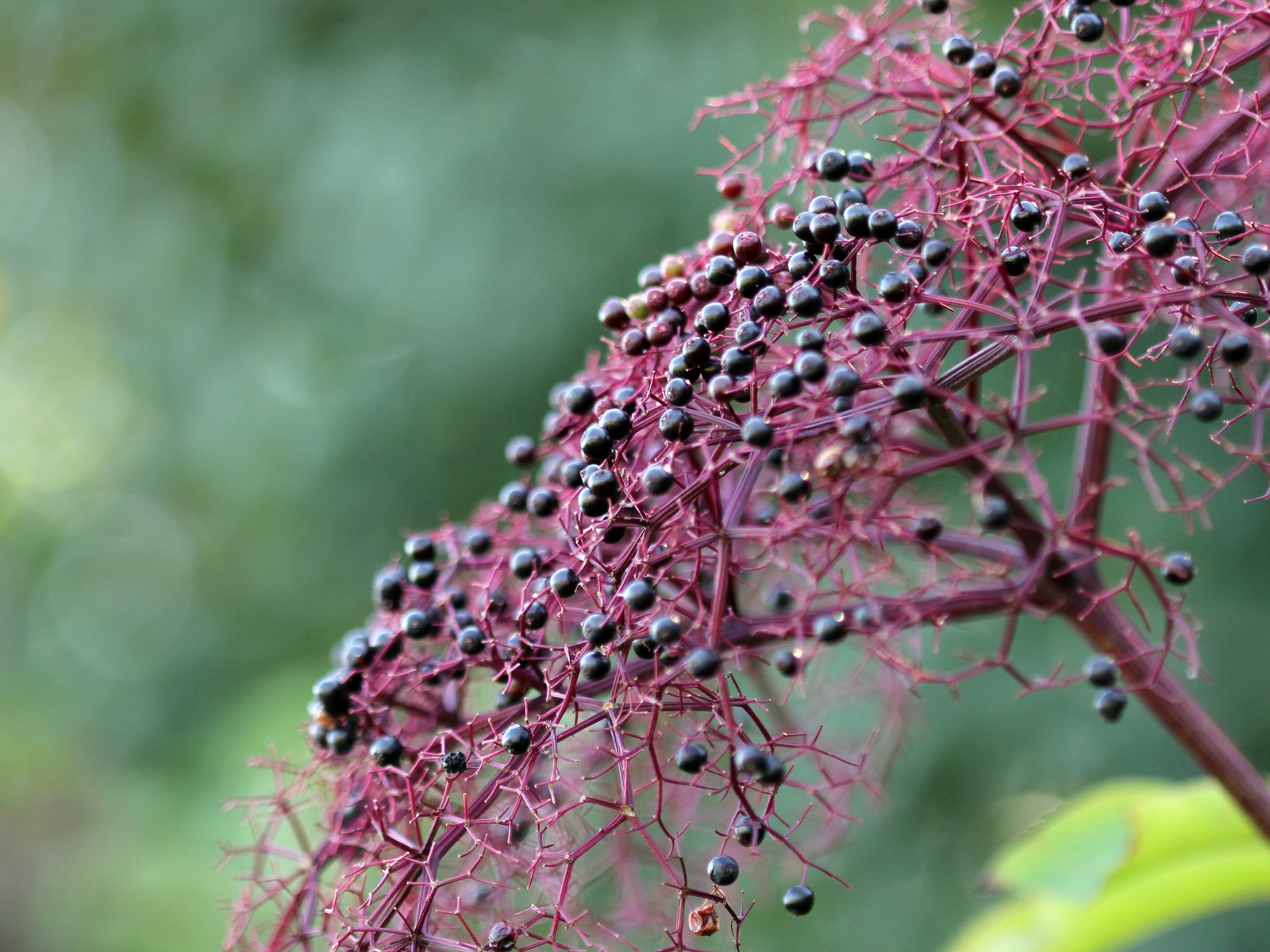
Elderberries ripen from late summer to early fall, and they’re a favorite for foragers looking to make jams, jellies, and even wine. These tiny, dark purple berries grow in clusters on elderberry shrubs, which thrive in wet areas like riverbanks, fields, and meadows.
The key to foraging elderberries is to pick the ripe, purple berries while leaving behind the unripe green ones. The leaves, stems, roots and unripe berries are toxic, and even the ripe berries need cooking before they’re safe to eat. Elderberries are easy to spot thanks to their white flower clusters that transform into bunches of small, purple berries.
Blackberries and huckleberries

Wild blackberries peak in July and August in Ohio. By fall, only a few late berries hang on. They grow in thorny brambles along woodland edges, fencerows, old pastures, and streambanks. A ripe berry is fully black, and red ones aren’t ready.
Black huckleberries ripen from mid to late summer through early fall. These tiny, sweet berries grow on small shrubs in dry, rocky areas or mixed-wood forests. Huckleberries look like smaller, darker blueberries and can often be found growing in clusters.
Wild grapes
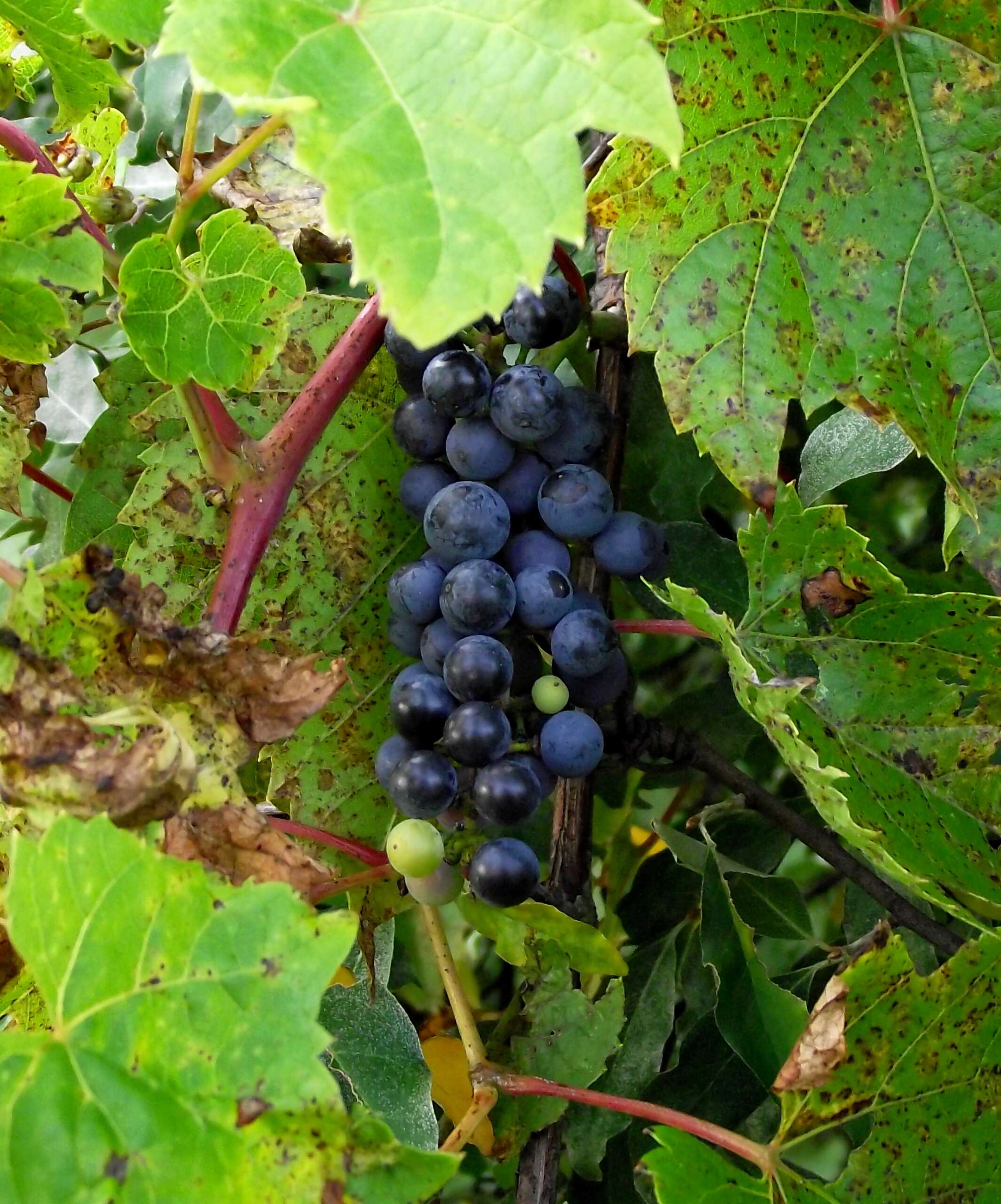
Ohio is home to at least five wild grape species, including riverbank grapes, frost grapes, and summer grapes. These vines grow in sunny, moist areas like riverbanks and woodland clearings. While wild grapes are smaller and more tart than their cultivated counterparts, they’re perfect for making jams, jellies, or even homemade wine.
When foraging for wild grapes, it’s important to distinguish them from look-alike plants that can be toxic, such as the Canada moonseed and Virginia creeper. Wild grapes grow in large clusters and have heart-shaped leaves with toothed edges. Be sure to do a little research to make sure you’re picking the right fruit!
Where to forage in Ohio
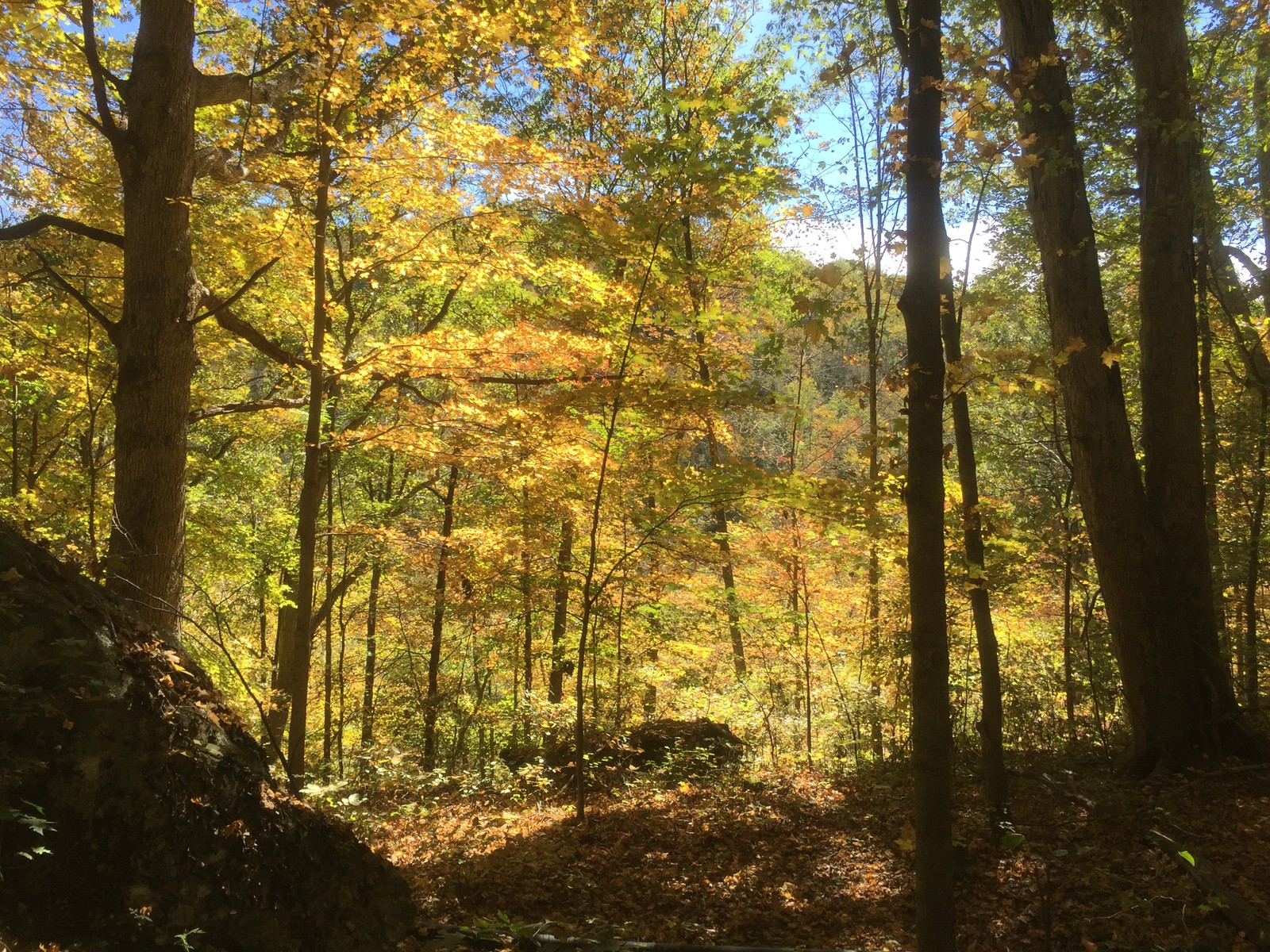
While it’s tempting to grab a basket and head out into the woods, there are a few things to keep in mind when foraging for wild fruit. Small amounts of wild fruit for personal use are legal to gather in Ohio state forests and Wayne National Forest without a permit. Ohio state parks allow it too: berries, fruit, tree nuts, and mushrooms can be carried away during daylight hours for personal use, anywhere a sign doesn’t say otherwise. This guide to Ohio foraging laws goes through the rules place by place.
Foraging is also allowed on private property with permission from the landowner. Whether it’s a friend’s backyard or a family farm, make sure you have consent before you begin harvesting. State nature preserves ban collecting anything, and Columbus and Franklin County Metro Parks allow fruit picking only in picnic areas and other mowed ground, which rules out the woods.
Lastly, always ensure the areas where you forage are free from herbicides and pesticides, and avoid picking fruits from areas frequented by dogs.
Final tips
Foraging can be a fun and rewarding activity, but it’s important to be mindful of the environment and respectful of the land. Never over-harvest, and be sure to leave enough for wildlife. Also, remember that some fruits, like blackberries and pawpaws, can be picked without causing harm to the plant, but digging up roots, like ginseng or ramps, is prohibited in many areas.
With a little knowledge and a keen eye, you can enjoy some of Ohio’s most delicious and unique wild fruits this fall. The pawpaws are the ones to hurry for, since they’re mostly gone by October. Persimmons hold on into late October, long after the pawpaw season has closed.