The Columbus Zoo has announced plans for a brand-new aquarium that promises to transform the visitor experience and become the largest aquarium in Ohio.
The future John F. Wolfe Aquarium will span more than 100,000 square feet and feature over one million gallons of freshwater and saltwater habitats. According to the Zoo, the standalone attraction will house more than 10,000 aquatic animals representing over 300 species, making it one of the most ambitious projects in the Zoo’s history.
The project is being funded in part by a historic $50 million gift from The Robert F. Wolfe and Edgar T. Wolfe Foundation, the largest philanthropic donation ever received by the Columbus Zoo.
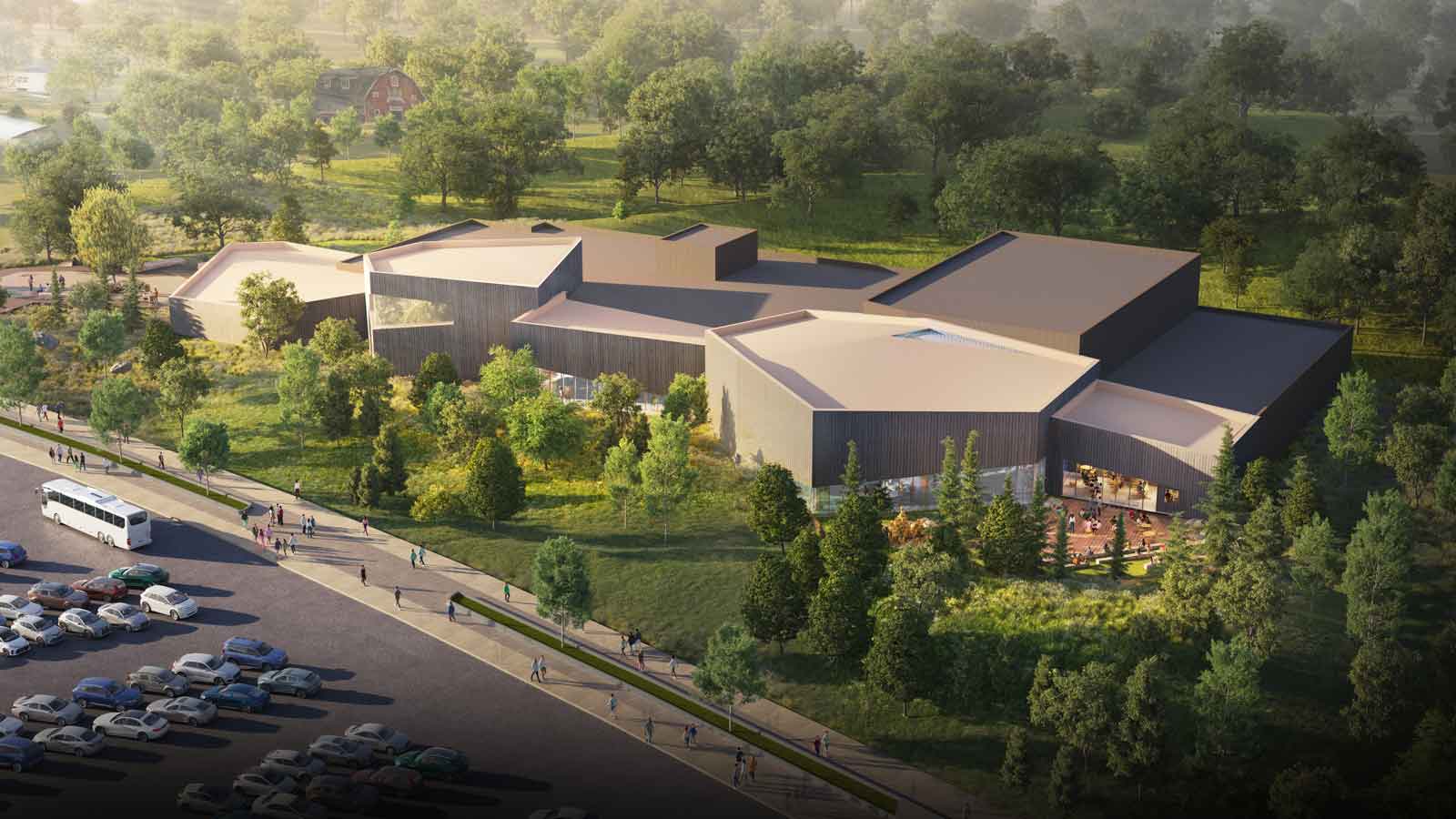
Unlike the Zoo’s current Discovery Reef aquarium, the new facility will be a separately ticketed, year-round destination designed to immerse visitors in aquatic ecosystems from around the globe.
Visitors will explore five major themed galleries, each showcasing a different environment.
The Amazon River Basin exhibit will feature giant arapaima, freshwater stingrays, piranhas, and armored catfish in a two-story experience inspired by one of the world’s most biodiverse freshwater ecosystems.
Closer to home, the Scioto River gallery will spotlight Ohio’s own waterways. The Zoo says it will be the only aquarium in the country to interpret the Scioto River as a complete ecosystem, featuring native species like paddlefish and lake sturgeon while highlighting the importance of freshwater conservation.
A Pacific Northwest gallery will recreate towering underwater kelp forests alongside interactive tide pools designed for hands-on exploration.
The centerpiece of the aquarium will be the Open Ocean habitat, which is expected to become the largest aquarium habitat in Ohio. Inspired by the Bahamas’ “Tongue of the Ocean,” the exhibit will feature sand tiger sharks, sandbar sharks, rays, tropical fish, and expansive coral reef environments.

The Indo-Pacific Reef gallery will expand on the animals currently housed at Discovery Reef while creating additional space for conservation programs and animal care.
Smaller discovery exhibits throughout the aquarium will showcase everything from jellyfish and seahorses to cuttlefish, giant spider crabs, chambered nautiluses, and giant isopods.
Zoo officials say the aquarium is intended to be more than just a new attraction. Revenue generated through separate admission will help fund conservation efforts, educational programming, animal care, and community initiatives while also boosting tourism throughout Central Ohio.
“This is a once-in-a-generation opportunity to transform how people connect with wildlife and conservation,” said Tom Schmid, president and CEO of the Columbus Zoo, The Wilds, and the future John F. Wolfe Aquarium.
The aquarium’s name honors the Wolfe family, whose connection to the Columbus Zoo dates back nearly a century. In 1926, family patriarch Harry “H.P.” Wolfe encouraged city leaders to establish a zoological park in Columbus. Later that year, the family donated the Zoo’s first animals—six Alaskan reindeer that had been brought to Columbus for a Christmas celebration.
Nearly 100 years later, the family’s latest gift is helping shape what could become one of the region’s signature attractions.
The Zoo has not yet announced a construction timeline or opening date, but says additional details will be released as planning continues.