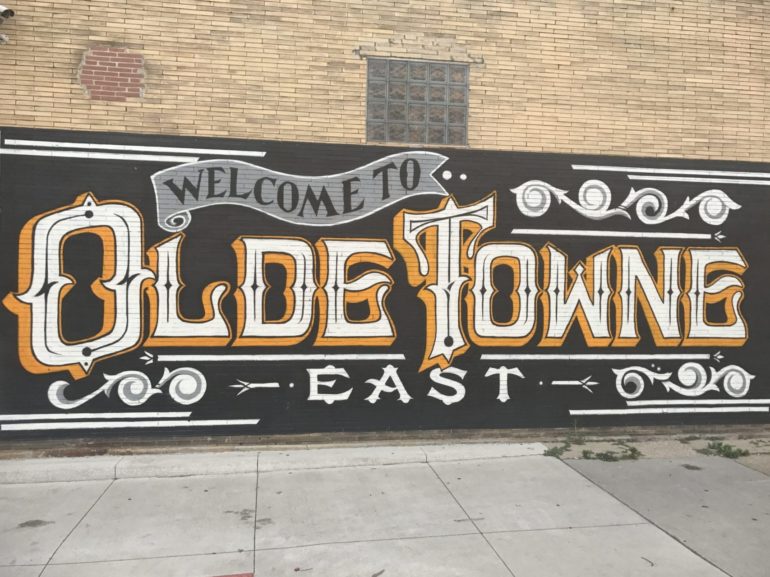
Olde Towne East doesn’t really offer a single version of itself. It offers layers—brick on brick, renovation on renovation, story on story. That’s the idea behind the 2026 Summer Tour of Homes, returning Sunday, July 12 from 12 to 5 p.m., when eleven properties across the neighborhood open their doors to the public.
Hosted by the Olde Towne East Neighborhood Association (Olde Towne East Neighborhood Association), the tour has been a neighborhood tradition since 1982. What started as a simple way for neighbors to share their homes has become a summer ritual for anyone interested in Columbus architecture, restoration projects, or just wandering through rooms that still carry traces of the city’s earlier eras.
This year’s homes span more than 150 years of building history, and an even wider range of how people choose to live in them now.
Some of the stops lean fully into preservation. Others are more interpretive, where original details sit alongside modern rebuilds that stop just short of erasing the past.
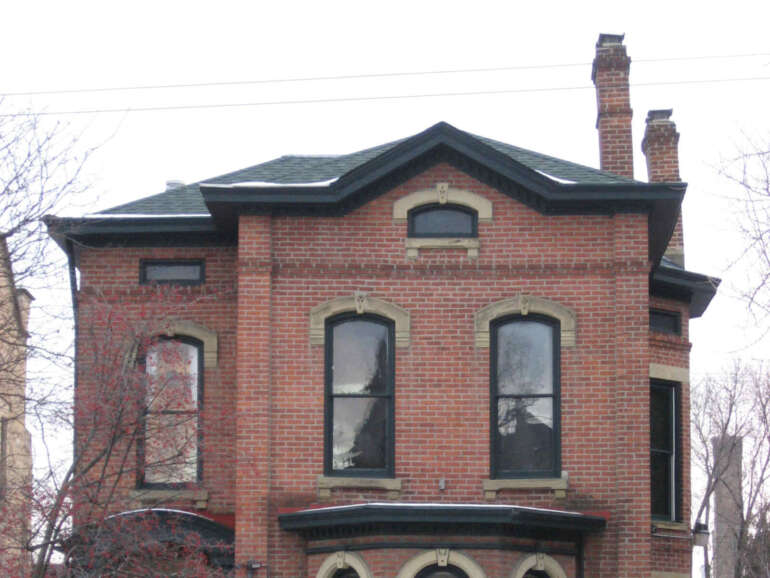
One Queen Anne home stands out for its brick-and-stone detailing and an almost obsessive variety of window sizes—29 in total—along with woodwork that’s been carefully brought back rather than replaced.
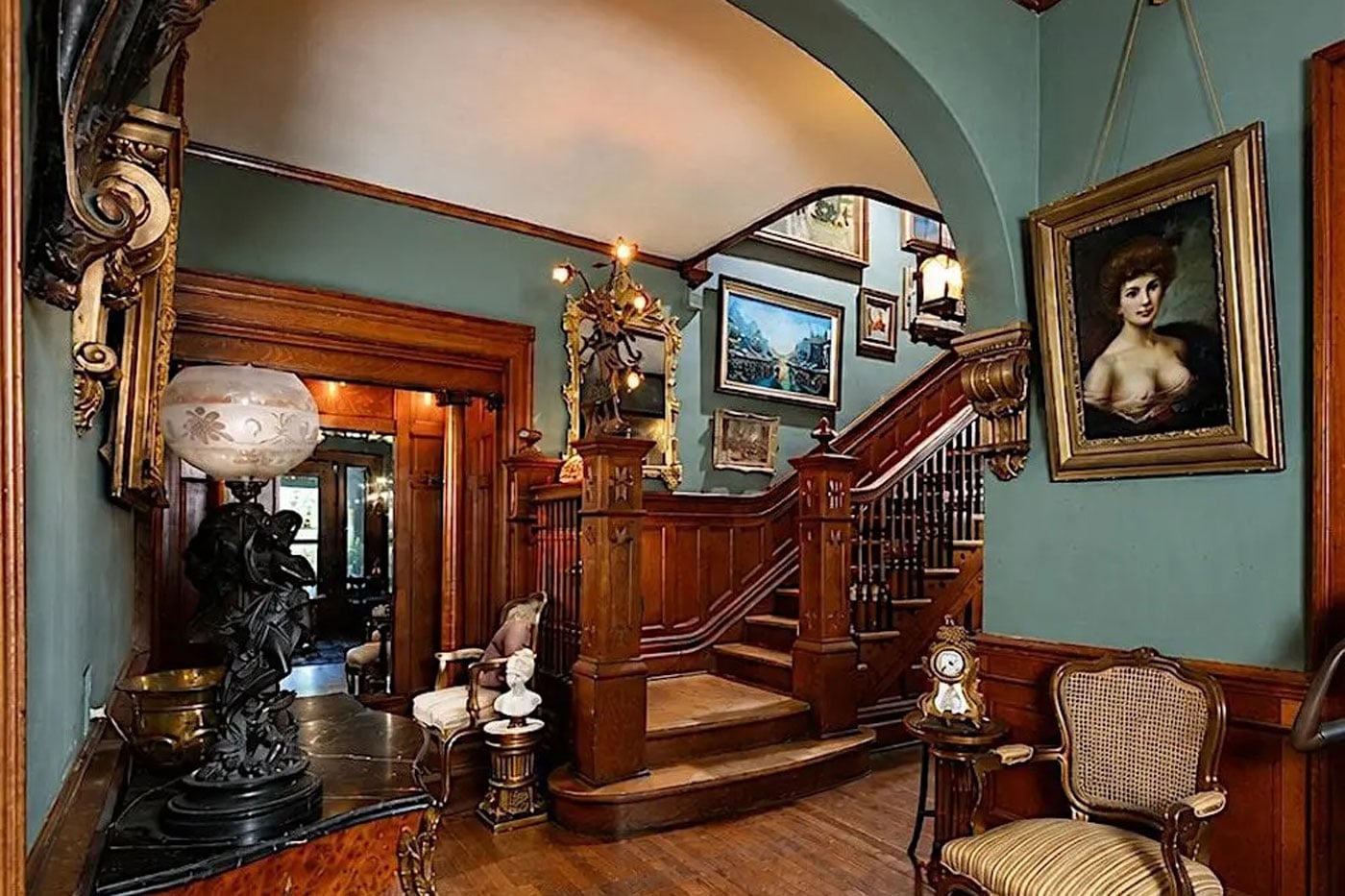
A nearby three-story Craftsman takes the opposite approach: taken down to the studs and rebuilt, it now reads like a layered collage of old and new. Stained glass windows feature lions, peacocks, and Roman mythology, along with the Latin phrase tu ne cede malis—“yield not to misfortune.”
Another home, a Victorian with Arts and Crafts influence and Tuscan touches, leans into material richness: flame birch, mahogany, oak, and seven fireplaces, built originally for a fireplace mantel company owner, which explains a few things.
Olde Towne East’s Italianates, as always, carry their own mix of history and lore. One once sat on a 28-acre farm before the city grew around it and shifted its orientation. Another layers in fragments of Columbus history: a Neil House chandelier, an Ohio State apothecary cabinet, and a maple tree said to have been planted by General William Tecumseh Sherman.
The tour isn’t limited to residential spaces.
A neighborhood church will open its doors to one of only two Skinner pipe organs in Columbus, a detail that alone makes it worth a stop. Nearby, a former electrical substation—built in the early 1900s to persuade residents to switch from gas lighting to electricity—still stands with its seven-brick-thick walls and Italianate tower intact.
Even within the homes, the stories shift between preservation and personality. One Queen Anne is known for its seasonal décor that tends toward the unexpected. Another stop reflects the quieter life of a couple who chose an American Foursquare specifically to downsize, finding their next chapter in a smaller footprint rather than a larger one.
If the interiors tell one story of Olde Towne East, the outdoor spaces tell another.
One formal garden on the tour was built literally from the remains of a burned brick mansion. Its materials include salvaged city sewer brick pavers, stone from the Ohio School for the Deaf, and wrought iron fencing from the former State of Ohio Asylum on West Broad Street.
Another garden takes a lighter approach—lush, layered, and designed for outdoor living, blending ornamentals and native plantings in a way that feels more lived-in than staged.
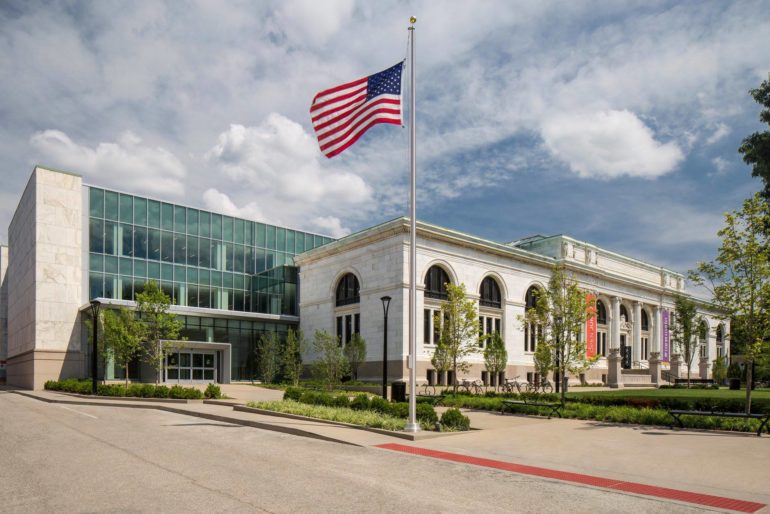
The tour begins at the Fran Ryan Center on East Capital Street and winds through the heart of Olde Towne East, bounded by East Long, East Main, Monroe, and Kendall.
What it really offers, though, is a snapshot of how the neighborhood continues to evolve.
Olde Towne East has never really stayed still. It started as a streetcar suburb, absorbed the cuts and disruptions of mid-century highway construction, then slowly came back to life in the late 20th century as people began rehabbing older homes instead of tearing them down.
If you’re interested in checking out the tour, head over to oldetowneeast.org/tour.