Gas prices across Central Ohio have jumped sharply this week, climbing above $4 per gallon and putting renewed pressure on commuters and anyone who relies on their car for work.
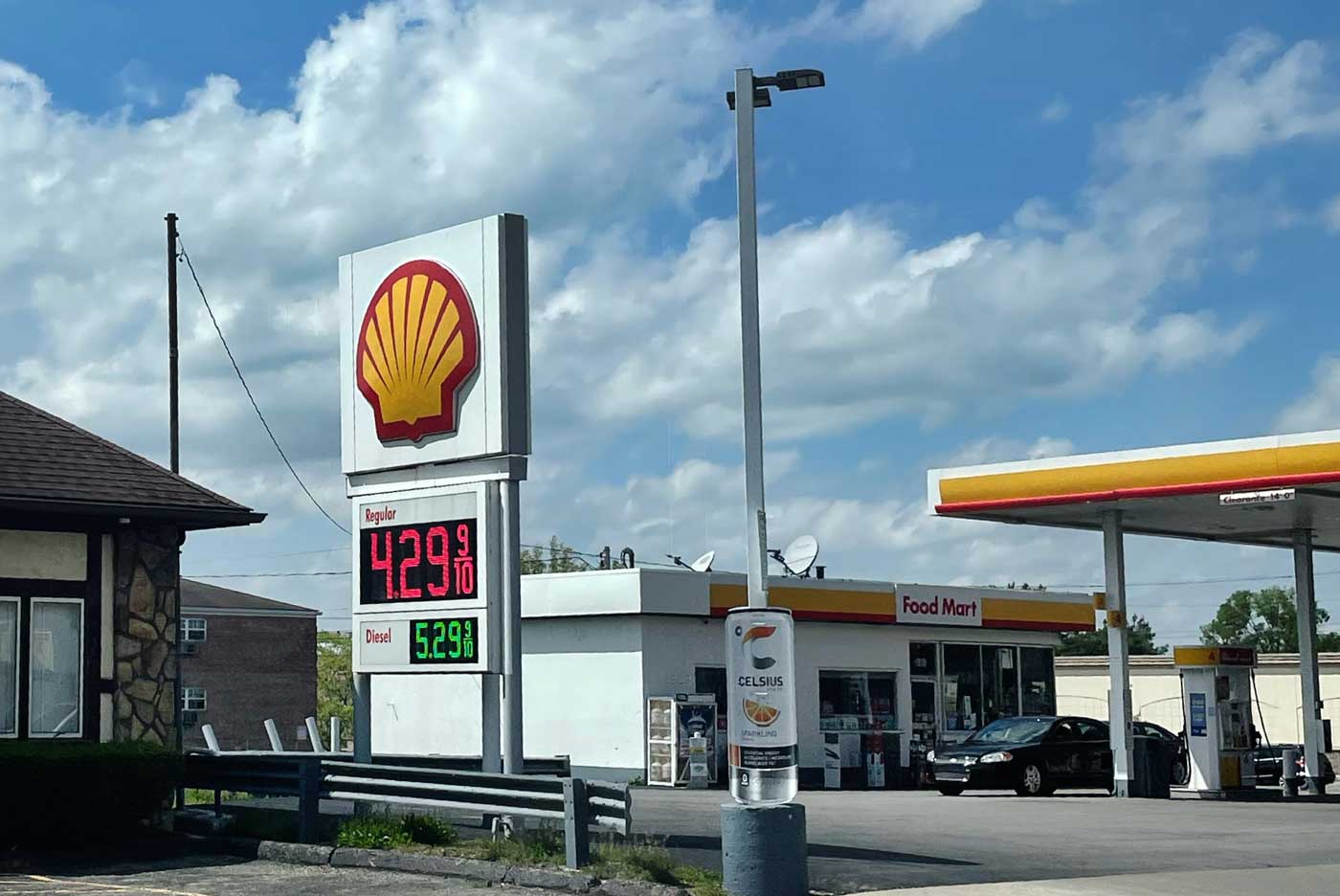
According to AAA, the average price for a gallon of gas in Columbus reached $4.15 on Tuesday, marking a sudden 20-cent increase overnight. In many parts of the region, prices have climbed even higher, with several stations hitting $4.29 per gallon.
For rideshare drivers and others who spend long hours on the road, the spike is especially tough. Higher daily fill-up costs are cutting into already tight margins, forcing some to reconsider how sustainable their work is if prices remain elevated.
What’s driving the spike?
The increase is being fueled by a mix of global and regional factors.
One of the biggest drivers is the ongoing conflict involving Iran, which has disrupted oil flow through the Strait of Hormuz. About 20% of the world’s oil supply passes through that narrow waterway, and continued instability has pushed crude oil prices to around $100 per barrel.
At the same time, Ohio is experiencing a phenomenon known as “price cycling.” Gas stations periodically drop prices to stay competitive, then rapidly raise them once they hit their lowest viable margin. These swings can cause prices to jump dramatically in a short period of time.
This cycle is hitting harder than usual due to the already elevated cost of crude oil, along with refinery issues in the Great Lakes region.
A costly trend for Ohio drivers
The statewide average for gas climbed to $4.08 on April 28, up 18 cents from the previous day and significantly higher than just a week ago. A year ago, drivers in Ohio were paying around $2.96 per gallon, nearly 90 cents less than today.
The national average currently sits at $4.17 per gallon, showing that the increase isn’t limited to Central Ohio.
Some analysts warn that prices could rise again later this week, creating what’s been described as a potential “double spike.”
Adjusting to higher prices
As fuel costs climb, many drivers are being forced to make trade-offs in their everyday spending.
While there’s little individuals can do to control global oil markets, AAA recommends a few ways to improve fuel efficiency and reduce costs:
- Keep tires properly inflated
- Avoid aggressive driving and high speeds
- Use cruise control when possible
- Combine errands into fewer trips
- Remove unnecessary weight from your vehicle
Even small changes can help stretch a tank of gas a bit further.
Although gas prices dipped slightly earlier this month, they remain far above where they were a year ago. Some projections suggest prices may stay elevated for the foreseeable future, with a return to sub-$3 gas potentially still years away.
For now, drivers in Columbus and across Central Ohio are left navigating yet another stretch of high prices at the pump, with no immediate relief in sight. If you want to keep an eye out for the best prices, head over to gasbuddy.com.